Toxicology
Does Pollution Discriminate?
 Yes. Or rather the forces that shape where pollution and people co-exist.
Historically we know that low-income and non-white urban areas are more likely to have polluting factories, Superfund Sites and illegal dumping. In large part, this is because the places within a city where "undesirable" heavy industries were allowed to locate were also traditionally also the only places where "undesirable" people, re: anybody that wasn't white or had a little money, were allowed to live. This is how you get massive segregated public housing complexes built across the street from huge lead smelters, as was the case in Dallas only a few decades ago. But maybe you thought that was all a thing of the past.
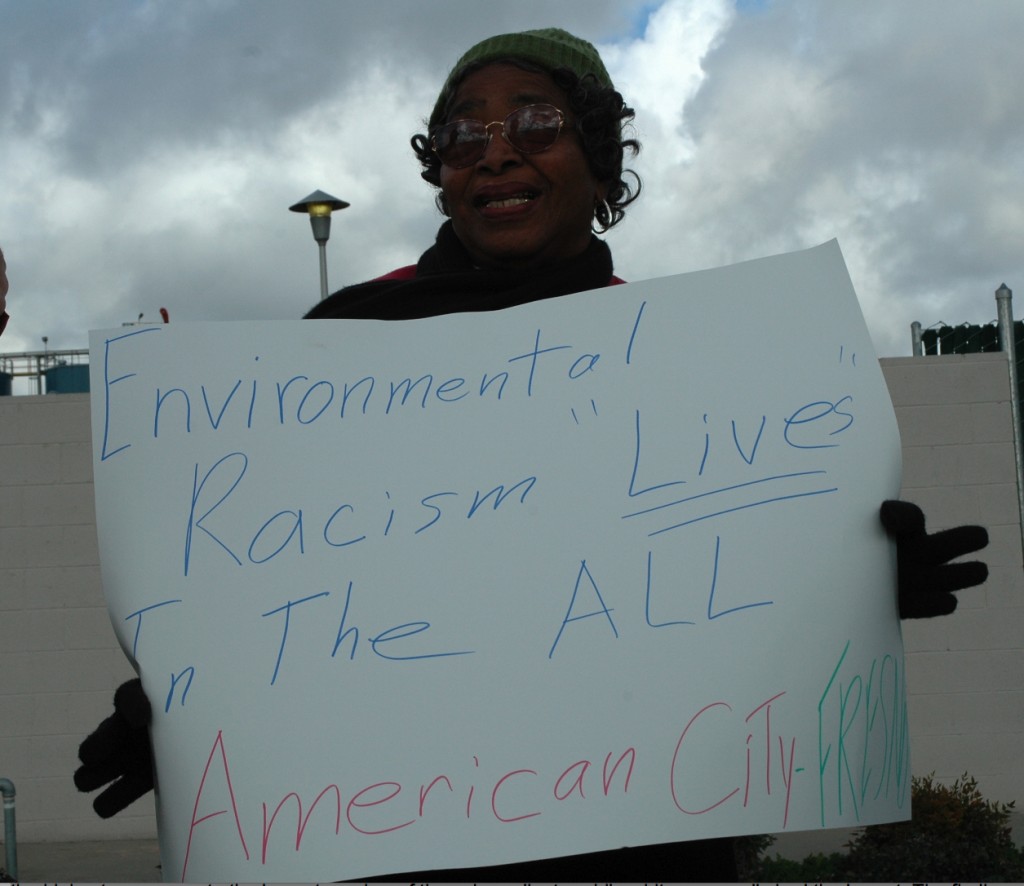
Today comes word of a new study out of Yale that confirms that people of color and the poor in the US suffer disproportionately from exposure to one of the most insidious kinds of pollutants – extremely tiny particles of poisonous soot called Particulate Matter 2.5 (that's soot that's 2.5 microns or less in size. A human hair is about 10 microns wide). Researchers looked at air monitoring and demographic data from five cities – Los Angeles, Pittsburgh, Cincinnati, St. Louis and Fresno. It is the first study to "reveal major racial and economic differences in exposures to specific particle ingredients, some of which are linked to asthma, cardiovascular problems and cancer." Not to mention strokes, and debilitating brain diseases like Parkinson's and Alzheimer's.
"Tiny particles of air pollution contain more hazardous ingredients in non-white and low-income communities than in affluent white ones, new research shows. The greater the concentration of Hispanics, Asians, African Americans or poor residents in an area, the more likely that potentially dangerous compounds such as vanadium, nitrates and zinc are in the mix of fine particles they breathe. Hispanics had the highest exposures to the largest number of these ingredients, while whites generally had the lowest. The findings of the Yale University study add to evidence of a widening racial and economic gap when it comes to air pollution. Communities of color and those with low education and high poverty and unemployment face potentially greater health risks even if their air quality meets federal health standards."
So how does that affect DFW? We need to let studies like this inform our decisions about city planning. In places that have a lot of pollution problems, it's probably a good idea not to keep adding more. Think of where the fracking in Dallas will be taking place – mostly in minority neighborhoods, along the floodplain, with other "undesirable" industries like landfills near-by. Think about the struggle over community control of the CF Hawn freeway re-do of Deadman's Curve in South Dallas where residents want fewer cars going slower instead of more cars going faster. Cars are a big source of PM pollution. Freeways are large conduits for PM pollution. In the last five years there's been a slew of studies showing more asthma and illness the closer you live to a major freeway. Guess which sub-populations get more freeways in their part of town?
There is an environmental equivalent of Affirmative Action that needs to be incorporated into city zoning and planning. One that considers the past historical inequities and current environmental body burden of affected neighborhoods. One that makes sure that society's "undesirables" do not keep getting piled on top of one another
The Dose No Longer Makes the Poison, But We Regulate It As if It Does
 It may come as a shock, but the EPA and industry view exposures to toxic chemicals in basically the same way that a famous 16th-Century occultist named Paracelsus did over 500 years ago: The amount of exposure to a chemical determines its toxicity; the higher the dose, the more toxic it is. The lower the dose, the more benign. "The dose makes the poison."
This approach says there's a linear one-to-one relationship between volume and harm. It's the basis of all federal, state and local environmental health regulation. It's what drives government "risk assessments." It's what allows there to be such things as "safe levels" of things that don't sound very safe.
But, what if this approach didn't capture all of what was going on physiologically between poison and victim? What if there were different effects happening at the cellular level? What if, like the Renaissance-born theory of Newtonian physics, it couldn't account for phenomenon on a smaller-scale because it didn't have the ability to see it? What if there were certain poisons that,
"depict a weird world of endocrine disruption that is as different from traditional toxicology as quantum mechanics is from the staid clockwork of Newtonian physics. When even minuscule quantities of BPA and other disrupters interact with hormone receptors at crucial moments in development — activating, jamming, hijacking or otherwise messing with their normal function — they can give rise to strange-looking experimental results, especially when other hormones are thrown into the mix."
From the journal Nature comes a case study in why no self-respecting thinking person would trust the current regulatory system to give them the final word on whether any given chemical exposure is "safe" or not.
A citizen can't underestimate the kind of threat this research presents to the Environmental Industrial and Legal Complex. Every permit ever written and awarded. Every environmental law every passed. They all depend on a Paracelsusian view of the world. Prove a different world exists and it turns everything upside down.
"A growing number of academic researchers are making just such a claim for endocrine disrupters, a large group of synthetic chemicals able to interact with cellular hormone receptors. These compounds, which range from the common weed killer atrazine and the plasticizer bisphenol A (BPA) to the antibacterial agent triclosan (used in cleansers) and the vineyard fungicide vinclozolin, don't play by the usual rules of toxicology. On the basis of conventional high-dose testing, regulators have set maximum acceptable levels for each of them that assume all doses below that level are safe. But academic researchers who have studied a wider range of doses, including very low ones found in the everyday environment, say that their experiments usually do not generate the tidy, familiar 'ski-slope' dose-response graphs of classic toxicology. Instead, most endocrine disrupters have 'non-monotonic' dose-response curves, meaning that their slopes change at least once from negative to positive, or vice versa, forming 'U' shapes, inverted 'U's or even stranger shapes that resemble undulating Chinese dragons."
It's not just endocrine disruptors that are challenging tradition. We're already seeing the contradiction between the latest science and regulations when it comes to old-fashioned poisons like lead and soot. There's a scientific consensus among the frontline researchers that there's no safe level of exposure to either one of these toxic substances, And yet, permits are still being written to allow what regulators claim are "safe levels" of them to be spewed into the air and our lungs.
Locally, UT Southwestern epidemiologist Dr. Robert Haley's groundbreaking work on Gulf War Syndrome has found similar effects in studying exposure of veterans to very low doses of nerve agents. Levels of substances that weren't supposed to make people sick individually seem to have a harmful synergistic effect when combined.
The more we can see what's happening at the smallest levels of things – whether its the vibrations of atoms in the chair you're sitting in, or the nuance of chemicals in the cells of a developing fetus – the more we find out that things are more complicated than they appear. Science is pushing us in the direction of a "Precautionary Principle" approach to regulating human chemical exposure. That's a radically different perspective that undermines the billions invested in the status quo allowing continual low level poisoning. After 500 years, maybe it's time to find a new model.
Coming Soon: Be You Own Air Monitoring Station
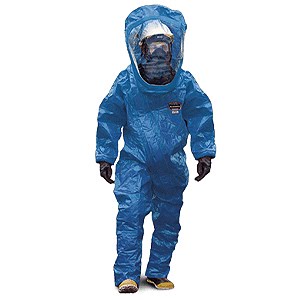 When the Fukushima nuclear power plant disaster struck Japan last year, there was a lot of gaps in information about radiation levels, and a lot of public distrust with official pronouncements about those levels.
As a way of getting around this, some entrepreneurs teamed up with software and hardware engineers and started building small portable Geiger counters that could be used by members of the public themselves. That's how the company Safecast was born. To date, the company's monitoring equipment has generated 4 million data points in Japan – reading that helped generate confidence about contamination levels.
After Fukushima, the company looked at other opportunities in the marketplace to fill a gap in consumer environmental health information. It decided that air quality reporting in the US and elsewhere suffered from a lot of the same problems as radiation reporting in Japan. The data is often licensed, unavailable, or just too slow to do much good. For example, the Texas Commission on Environmental Quality issues its "red" day ozone or smog alerts fully 2-3 hours after the first dangerous ozone readings are recorded at a local air monitor. You cannot get this information in real time – when it might do you and your children much more good.
Safecast plans to launch an effort that will more or less crowdsource air quality and fix that problem by giving real time, instantaneous information to users. It's a DIY approach to air pollution using the latest micro technology. The company hopes to create an international citizen-operated network of air quality monitors. It just received $400,000 from the Knight Foundation to work on prototypes and testing. All of the companies schematics will be available at no charge for easier distribution to citizens. Los Angeles is the first US city to get to use the new devices, but we'll be following their progress closely, hoping to bring this new grassroots effort to DFW, where we still suffer one of the nation's most serious and chronic smog problems.
Shocking Study: Air Pollution Regulations Improve Public Health
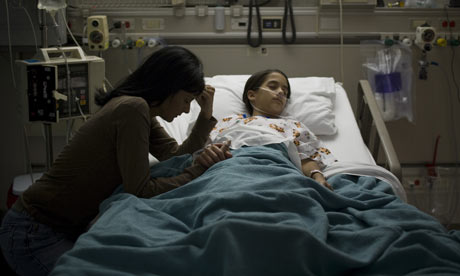 One of the most basic arguments of industry opponents of clean air regulations is that they really don't do that much to improve public health. Given all the studies concluding that increases in air pollution lead to increases in illness and death, this argument is every bit as plausible as denying global warming at this point. But that doesn't stop industry and their supporters in elected office quit trying.
Out of New York and via the Journal of Exposure Science and Environmental Epidemiology comes a three year study (2004-2006) that tracks decreases in ozone pollution to increases in public health, specifically fewer hospital admissions for respiratory problems. Overall, a decrease of about 9% in ozone pollution lead to an 11% decrease in hospitalizations. That's significant, bordering on one-to-one percentage point drop.
The study followed the progress of the EPA's NOx Budget Trading Program (BTP), a cap and trade system established for East Coat states to help them reduce their ozone, or smog pollution, that ran from 2004 to 2008, when it was replaced by the older, Bush-era version of the EPA's cross-stare pollution rules. It looked at all of New York in terms of eight regions throughout the state. Drops in smog averaged 9% but were substantially lower during the critical summer "ozone season."
According to the folks at the Environmental Health News:
"Regulations do work to lower pollution, which in turn can improve respiratory health.
Ozone levels decreased across the state of New York and hospital admissions for respiratory disease dipped in half of the regions studied after the EPA's regulatory program started. There were also notable decreases in hospital admissions for certain respiratory illnesses, most age groups and most health insurance groups.
The reduced admissions for those on public assistance suggests that low income residents may have benefited the most from air quality improvements. This would be an important achievement since this group often experiences the highest air pollution exposures.
These results are consistent with the limited number of other studies that compare pollution levels and health before and after required air pollution reductions."
It says more about the opposition to new regulations that we still have to have studies proving that less crap in the air means less illness and death. This has been a settled scientific fact for some time. But Industry pays big money for it to be a still-disputed political fact.
Even a Few Weeks of Cleaner Air Can Make A Big Difference
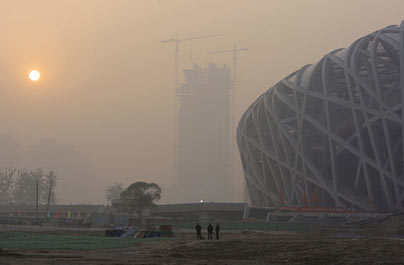 We can't tell you how many times a resident from DFW will go on a business trip or vacation to a less-polluted place and report an almost instant shedding of the ill effects of dirty air, only to have an almost equally fast re-acquaintance with those effects once they return. Could air pollution really make that much of a difference in so little a period of time?
As it turns out, yes.
Via an new study recently published in the Journal of the American Medical Association, researchers found that the Chinese government's decision to close down Beijing's polluting factories and take cars off the road during the 2008 Olympics resulted in a remarkable short-term improvement in cardiovascular health. It's the first major study to look at the immediate effects of air pollution in young healthy adults.
In a synopsis published by Environmental Health News, one of the authors describes the study and its importance:
"For the 5-month study from June to November, the researchers recruited 125 resident doctors with an average age of 24 from a centrally located hospital. Half were male, and all were healthy with no history of diabetes or cardiovascular disease.
The researchers measured heart rate, blood pressure and six markers of cardiovascular diseases in blood samples before, during and after the games. The markers included C-reactive protein (CRP), fibrinogen, von Willebrand factor, soluble CD40 ligand, soluble P-selectin concentrations and white blood cell count (WBC).
Two markers associated with blood clotting significantly decreased from pre-Olympic to the during-Olympic period: P-selectin levels dropped by 34 percent and von Willebrand factor levels were reduced by 13 percent. After the games, when the pollution control measures were removed, most markers rose back to pregame levels. But two markers – P-selectin and systolic blood pressure – worsened and showed a significant increase compared to the levels during the games.
Air pollution emissions were also measured at similar times. Levels of most air pollutants during the games decreased up to 60 percent compared to their pregame levels, depending on the type of pollutants. For example PM2.5 dropped 27 percent, nitrogen dioxide 43 percent and sulphur dioxide 60 percent. After the games when pollution controls were removed, emissions rose to higher levels than were measured before the games started.
This study suggests that even young healthy people can benefit from short-term air pollution reduction and supports efforts to quantify and understand the benefits and costs of air pollution control measures."
The next time a politician complains about the cost of air pollution controls, make sure and ask them if they're for preventative heart disease treatment. When they say yes, please remind them that keeping crap out of our air that would otherwise end up in our lungs is such preventative care.
Midlothian Cement Plants Linked to Higher Child Asthma Rates
On the left is a computer-modeling image from the Texas Commission on Environmental Quality showing the direction of the predominant downwind plume of pollution from the three Midlothian cement plants - from extreme NW Ellis County, blowing diagnoally across Tarrant County and into Wise County. On the right is the map from the original 2009 Cook Children's Hospital CCHAPS study indicating levels of childhood asthma in the Hospital's service area. It tracks closely with the direction of the plume and asthma levels increase in closer proximity to the cemnt plants. 
According to researchers Patricia Newcomb and Alaina Cyr from the UTA College of Nursing "…the bulk of Tarrant County asthma cases lie directly in the path of southeasterly winds that have historically carried high levels of particulate matter from working cement kilns in a neighboring county. Asthma prevalence increases in a linear configuration within the path of the 'cement plume' as residential location comes closer to the cement kiln area."
Exposure to Particulate Matter pollution, or soot, is a well-known known cause for asthma. It can also make a child's asthma worse.
"This latest study is one more piece of empirical evidence that we need to decrease pollution from the Midlothian cement plants to secure the right of our children to breathe without getting sick, " said Jim Schermbeck, Director of Downwinders at Risk, a local group originally founded in 1994 to oppose the burning of hazardous waste in the Midlothian cement plants.
Proximity to the pollution from the three Midlothian cement plants was the only environmental factor geographically associated with higher concentrations of childhood asthma, ruling out poverty and indoor air pollution. There also wasn't a strong correlation to urban gas drilling, although the authors concede that "urban drilling may play a part as well" in the region's higher than normal child asthma rates, and there was no direct comparison between the geography of drilling activity and area asthma levels.
In 2009, Cook Children's Hospital released its Community-wide Children's Health Assessment and Planning Survey (CCHAPS), the largest examination of childhood health in North Texas ever undertaken. It found that Tarrant County and the western side of the North Texas region suffer childhood asthma rates significantly higher than state and national averages.
In "Conditions Associated with Childhood Asthma in North Texas," published in the October edition of ISRN Allergy, Newcomb and Cyr revisit the Cook study and delve more deeply into its data. "The purpose of this study was to identify significant associations between asthma diagnosis, comorbid conditions, and social problems in children." The complete article can be accessed on the Cook Hospital CCHAPS website page devoted to asthma, under "Special Reports."
Midlothian is the home of the largest concentration of cement plant manufacturing capacity in the United States. It hosts three large cement plants – TXI , Holcim and Ash Grove – with a total of six kilns. They are the largest stationary sources of pollution in North Texas. Reports submitted by the plants themselves show they poured over a million pounds of Particulate Matter pollution into the North Texas air in 2009.
EPA recently announced that it was considering once again delaying the implementation of new federal emission rules, including stricter particulate matter pollution standards, from 2013 to 2015 that have been in the works for two decades. The delay would also water down proposed PM pollution standards. Schermbeck said Newcomb and Cyr's analysis shows the real world costs of such a rollback.
"It's a scientific fact, endorsed by EPA, that inhaling tiny bits of particulate matter can make people sick and even kill them. What this study makes clear is that the agency is senselessly condemning more Tarrant County kids to illness and suffering by delaying rules that were supposed to have been in place in the 1990's. It's time to start saving lives by reducing this kind of pollution."
Dust from Homes Near Cement Kilns Have 2 to 9 X More Dioxin
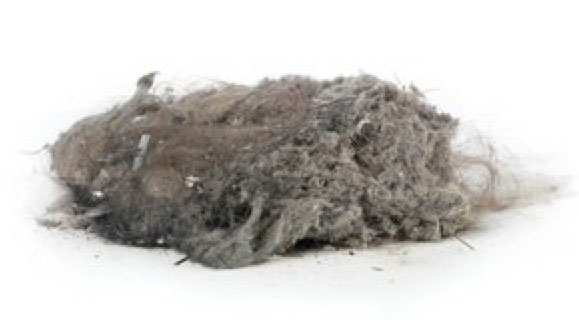 Here's some information the Midlothian Chamber of Commerce probably won't be linking to at their website.
A national research team that includes personnel from The National Cancer Institute, Colorado Sate University, the University of Washington, and the Mayo Clinic has concluded that homes within one to three miles of cement plants contain house dust that contains 2 to 9 times more Dioxins than homes not located near kilns.
Dioxins are among the most toxic substances ever tested by EPA. Dioxin is the poison in Agent Orange. It's what made both Love Canal in New York, and Times Beach Missouri Superfund Sites. It's so toxic it's measured in grams, not pounds. It's a carcinogen and an endocrine disrupter. Like Lead and Particulate Matter, there is no known "safe" exposure level to Dioxin.
40 homes across four states were chosen from an earlier non-Hodgkin lymphoma study. Samples of dust were collected from vacuum cleaner bags and test for a variety of Dioxins (the testing for Dioxins is VERY expensive and that's one reason you don't see a lot of field tests for it). Four kinds of dioxin-emitting facilities identified by EPA were in close proximity to one or more of the sampled households – cement kilns, coal plants, sewage sludge incinerators, and medical waste incinerators. Proximity to major roadways was also considered a separate source. But "high concentrations" of Dioxins were only associated with homes near cement plants. Major roads also saw "elevated" levels, but not nearly as much as kilns.
The full study was recently published in the September edition of "Science of the Total Environment."
Midlothian currently hosts six active cement kilns. There were as many as ten up until 2008. It is the largest concentration of cement manufacturing in the nation. And all of DFW is downwind of it most of the year.
As we mentioned last week, a 1999 study by Barry Commoner and his group out of Washington University in St. Louis traced Dioxins from the TXI cement plant all the way to the Arctic Circle. So don't feel safe if you think you live far enough downwind not to be affected by the Midlothian plant plumes.
For years, Midlothian residents and others have been asking the federal government for a meaningful health effects and testing protocol for determining the total load of dioxins in and around these kilns. It hasn't come. Their requests were based on published higher incidents of certain kind of birth defects in Ellis County, as well as clusters of animal health effects observed by local ranchers and breeders. And these observations started when hazardous waste burning began in the mid-1980's. EPA has stated that waste-burning kilns release more dioxin than non-waste burning ones.
So it's important to remember that the astounding high concentrations of Dioxins that were located in homes in close proximity to a a cement kiln were linked to a kiln not burning hazardous waste. Granted, we don't know what kind of "non-hazardous wastes" it might have been burning, but the results begs the question about how much higher Dioxin levels might be in a place like Chanute, Kansas where Ash Grove's kiln is still burning hazardous wastes.
And it also once again points out why we can't be complacent about the kilns in Midlothian just because they quit burning the worst of the worst toxic wastes. Even without that practice, they pose an on-going clear and present danger to the region's public health from just their "routine" emissions. Now that all of them have or want permits to burn plastics and garbage, you could reasonably expect to see an increase in Dioxins and other forms of more exotic pollution spewing out of their tall smokestacks. And you know why their so tall don't you? So that the pollution they're releasing travels further downwind.
Yes Virginia, There is a Pro-Cancer Lobby
 The New York Times' Nicolas Kristof, who's established himself as one the nation's leading editorialist on the harms of what he calls "Big Chem," has another excellent piece in the Sunday edition.
Using the curious case of Formaldehyde, the carcinogen that isn't one according to the people who make money manufacturing it, Kristoff draws a portrait of the kind of industry-fueled professional obfuscation that Big Tobacco, Big Oil and Every other Big Industry of the last 60 years has used to escape necessary regulation.
Part of this strategy is to block, delay and bury information that proves your product's guilt, and so it is with Formaldehyde, something most of us think we only run across in High School biology labs. As it turns out, the chemicals is used in a wide variety of products and our homes are full of it. Our general exposure to formaldehyde has increased. This use and exposure has risen even as the World Health Organization and American scientists have concluded that formaldehyde causes cancer.
And so a seemingly innocuous document like the 500-page "Report on Carcinogens" from the National Institutes of Health becomes a real threat to the manufactured "uncertainty" the chemical industry has spent so much to construct.
“Formaldehyde is known to be a human carcinogen,” declared the most recent Report on Carcinogens, published in 2011. Previous editions had listed it only as a suspected carcinogen, but the newer report, citing many studies of human and animal exposure to formaldehyde, made the case that it was time to stop equivocating."
This conclusion made the report an instant target. Industry got its supporters in the house to demand a follow-up study for Formaldehyde and that no other Reports on Carcinogens be published with the new consensus language on its cancer-causing impacts.
So a chemical that the science says is clearly a carcinogen is still being sold in lots of household products as if it was perfectly safe thanks to folks who, collectively, make up what might be called the "pro-cancer lobby."
Besides all of us being exposed to Formaldehyde through consumer products, people who live in places where natural gas is being mined, like the Barnett Shale, as well as those downwind of waste-burning cement plants, like the ones in Midlothian, get dosed with more of the stuff. So, you know, we're doubly-blessed in DFW.
Study: Green Spaces Make Pregnancy Easier
 Coming under "Confirming Things You Probably Already Knew," is this study via the folks at Environmental Health News:
"Living in homes surrounded by grass and trees can reduce pregnant women's exposures to traffic-related air pollution, according to a study in Barcelona, Spain. As green space around their homes increased, their exposure to fine particles and nitric oxides decreased. Particles and gases in vehicle exhaust can affect the development and health of fetuses, so this study suggests that green space in urban neighborhoods has a health benefit."
Over the last five years, study after study has provided proof that living near roadways increases your likelihood of having respiratory problems and other health problems. And yet, just like the regulations surrounding lead smelting or waste-burning haven't caught up to the most recent science, so traditional highway risk assessments don't yet acknowledge most of this new scholarship.
The design of the CF Hawn/SM Wright freeway redo that will help shape South Dallas for a generation or more is in its final stages of planning. There may be as little as 2-4 months until approval will be given by the Federal Highway Administration to proceed with a 6-lane thoroughfare instead of a more community-friendly four land boulevard that residents have voiced support for time and again.
Now is the time to call attention to a factor that may not have been examined very thoroughly, if at all, by TXDOT or local officials in designing the redo – before another wrong is inflicted on South Dallas by the city.
Risks from Freeway Air Pollution “Very Important” to Consider. Will Dallas?
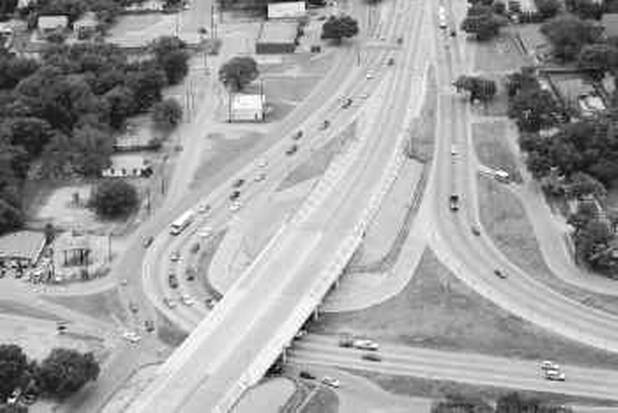 Over the past five years, there's been a significant increase in the amount of scholarship devoted to chronicling what kind of risks are posed by running freeways through communities and exposing adjacent residents to the cumulative air pollution of thousands of tailpipes. For the first time, urban planners are having to consider the public health consequences of transportation choices that still rely on the internal combustion engine.
"Researchers who affirm that children living near freeways are more likely to suffer from asthma are alerting urban planners about the importance of keeping homes away from busy roads.
The asthma-pollution link is especially vital as planners look at clustering jobs, transportation and homes as a way of limiting sprawl, the researchers said in the study published Monday, Sept. 24."
The study in question is from the University of Southern California's Keck School of Medicine. It found that higher air pollution levels less than 100 yards from freeways caused an estimated 27,000 additional cases of childhood asthma in Los Angeles County in 2007, almost 8% of the County's total that year.
Sarah Katz, a research associate at UC Irvine’s Institute of Transportation Planning, said clustering homes near transit, services and jobs is a newer trend in urban planning.
In view of that, Katz said, the USC report is essential reading for planners. The science on the health effects of roadway pollution is relatively new, and not all planners are familiar with it, she said.
“I hope this report gets a lot attention, because it is very important,” Katz said
Indeed. But is anybody at TXDOT reading these studies and paying attention? If so, why does Austin insist on turning the new CF Hawn freeway project in South Dallas, you know, the fixing of the "deadman's curve," into a 6-lane Carmageddon running straight up the middle of the community instead of the less frantic boulevard concept the neighborhood is requesting?
Because of studies like the one from USC, there's now plainly environmental justice and public health litmus tests that can be applied to every new freeway project. Environmental impact statements should have to take this new evidence of air pollution harm into account. But if government won't do that kind of accounting, then the people who are affected need to do it themselves. South Dallas shouldn't have to settle for a 1960's style concrete conduit that's going to act as one big funnel for air pollution when the trend is away from building such dinosaurs.